Icon Building Stadium Filled Line Vector Review for Embroidery Projects
As an experienced embroidery designer and product reviewer, I often find myself evaluating digital embroidery files with a critical eye. The Icon Building Stadium Filled Line Vector caught my attention not just because of its clean lines and modern appeal, but also due to the practicality it offers for real-world embroidery applications. Let’s take a closer look at how this design performs in actual projects and what you should consider before using it.
First Impressions: A Strong Visual Statement
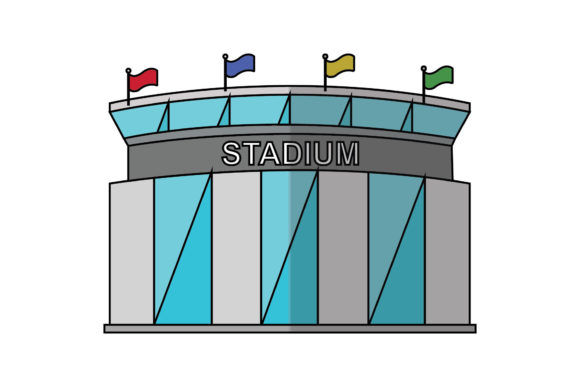
The Icon Building Stadium Filled Line Vector is a bold and stylized graphic that immediately evokes a sense of strength and structure. Its filled line approach gives it a minimalist yet impactful aesthetic—perfect for those who want to add a touch of sophistication without overwhelming the fabric or garment.
Visually, the stadium shape feels dynamic and grounded, which makes it ideal for both casual and formal embroidered products. It doesn’t scream for attention, but it does command presence. This kind of visual balance is crucial when designing for custom apparel, especially if the piece is meant to reflect a brand or a personal style.
Theme and Layout
The theme is clearly architectural, and the layout uses negative space effectively to highlight the main structure. There are no tiny lettering elements or intricate patterns that could complicate stitching, which is a big plus. The detail level is just right for most embroidery machines—enough character to be engaging, but not so complex that it becomes problematic on fabric.
This design has a professional edge, making it suitable for small shop products, boutique branding, or even commercial embroidery where consistency and clarity are key. It also works well as a decorative element in handmade products like tote bags or sweatshirts, especially if the goal is to keep things modern and clean.
Real-Life Use Cases: Where It Shines
Let’s say you’re preparing a custom embroidered tote bag for your local craft fair. You want something that stands out but still looks elegant and high-quality. The Icon Building Stadium Filled Line Vector fits the bill perfectly. Its solid lines create a strong silhouette that reads well from a distance, which is important for visibility in a crowded market.
- Tote Bag Design: The design's scale allows it to be placed prominently on the front or back of a tote, adding a stylish touch to reusable shopping bags or promotional items.
- Sweatshirt Embroidery: On thicker fabrics like fleece, the filled lines will stitch cleanly and maintain their definition without fraying or distorting.
- Baby Embroidery: While the stadium icon isn't baby-themed per se, it can work as a subtle background element in a larger scene or paired with softer typography for a personalized gift.
- Embroidered Patch: This design would make a great standalone patch. The contrast between filled and open areas helps define the edges, ensuring the patch looks sharp when stitched onto denim or canvas.
- Holiday Embroidery: If you're looking for a festive yet modern design, this one can be adapted by changing thread colors or adding seasonal text around it.
I’ve used similar vector-based designs in Etsy listings and found they help elevate the perceived value of a product. Buyers trust quality when they see crisp, clean graphics. This design contributes to that impression, making it a solid choice for any craft business aiming to offer premium-looking goods.
Where to Use with Caution
While the Icon Building Stadium Filled Line Vector is versatile, there are some scenarios where you’ll need to tread carefully:
- Small Hoop Sizes: At 1920px x 1280px, the canvas size is generous, but shrinking it too much may lead to loss of detail. Always test scaling before finalizing placement.
- Textured Fabrics: The filled lines might get lost on heavily textured materials like corduroy or flannel unless the stitch density is adjusted accordingly.
- Thin or Stretchy Fabric: Delicate fabrics such as rayon or stretch cotton can distort under the weight of dense stitches. Consider using a stabilizer and adjusting stitch types.
- Dark Backgrounds: The contrast of this design on dark fabric depends entirely on the thread color chosen. Light-colored threads will pop, while darker ones may blend in too much.
- Curved Surfaces: Placing this design on a curved surface like a cap or sleeve may cause distortion. Use a mockup tool to preview how it will appear after resizing and repositioning.
- Frequent Washing: For items like tea towels or aprons, ensure the design is stitched securely and with durable thread to prevent wear over time.
Designer Notes for Optimal Stitching
Before jumping into production, here are some steps I recommend:
- Test on Scrap Fabric: Especially if you plan to use it on unusual materials or in small sizes. See how the stitch density holds up and whether the design maintains its integrity.
- Check Thread Color Contrast: Depending on the fabric and the intended use, the same design can look completely different with varying thread choices. A black and white mockup can help visualize this.
- Review Fill Areas: Since it’s a filled line design, inspect the fill stitch settings. Too sparse and it loses impact; too dense and it may pucker or tear delicate fabrics.
- Confirm Hoop Size: Although the file provides a large canvas, always check your machine’s maximum hoop capacity. Some machines struggle with very large designs unless properly segmented.
- Use Proper Stabilizer: Especially on stretchy or thin materials. The right stabilizer can make all the difference in keeping the design flat and clear after stitching.
- Inspect Small Details: Even though this design doesn’t have ultra-fine details, double-check that all corners and lines remain consistent after resizing.
- Verify Licensing: Before selling any finished product or including it in digital embroidery files for resale, confirm that the licensing terms allow commercial use.
Impact on Product Value and Customer Appeal
When added to a product, this design instantly boosts visual appeal. It gives a handmade item that extra bit of polish, showing customers that the creator pays attention to detail and presentation. As a result, it enhances product value and can justify higher pricing in competitive markets like Etsy or craft fairs.
From a branding perspective, the Icon Building Stadium Filled Line Vector can serve as a signature motif for shops focusing on urban themes, fitness, or community events. It adds a layer of brand consistency when repeated across different product lines like embroidered patches, apparel decorators’ offerings, or even nursery decor with a more subdued palette.
Customers tend to appreciate embroidery that looks intentional and well-crafted. This design contributes to a sense of professionalism, making your finished product more trustworthy and appealing. Whether it’s a personalized gift or a mass-produced item, the design brings a level of refinement that’s hard to ignore.
Adapting for Different Embroidery Needs
One of the strengths of this machine embroidery design is its adaptability. You can easily change thread colors to match seasonal trends or brand palettes. For example, switching to metallic gold for holiday gifts or navy blue for corporate merchandise keeps the design fresh and relevant.
It also works well as part of a layered design. Pair it with a running stitch border or a satin-stitched nameplate to turn it into a standout feature. When used alongside other design assets, it maintains its identity without clashing, which is essential for cohesive collections.
If you're an embroidery project planner, think about how this design interacts with the rest of the garment. Will it sit nicely next to text? Does it complement other motifs? These questions are vital for creating a balanced and attractive final piece.
Final Thoughts for Makers and Sellers
In conclusion, the Icon Building Stadium Filled Line Vector is a reliable and stylish option for many embroidery applications. It’s especially suited for tote bags, sweatshirts, patches, and other handmade shop items where clarity and modernity are desired. But like any good design, its success depends on thoughtful implementation and testing.
Remember to treat it as part of the bigger picture. It’s not just about the design itself—it’s about how it behaves on fabric, how it interacts with thread and machine settings, and how it resonates with your target audience. With a few careful adjustments, this freebie graphics offering can become a valuable asset in your creative toolkit.