Coloring Page for Kids: A Versatile Graphic Design Asset for Creative Projects
As a seasoned graphic designer working with small businesses, handmade brands, and digital sellers, I often find myself sifting through design assets to find the perfect fit for a client’s needs. Recently, I reviewed COLORING PAGE for KIDS, a high-quality digital asset marketed as a 5-page coloring book in multiple file formats including PDF, AI, and SVG. This review is based on how it could realistically perform in a variety of real-world design applications.
First Impressions and Visual Mood
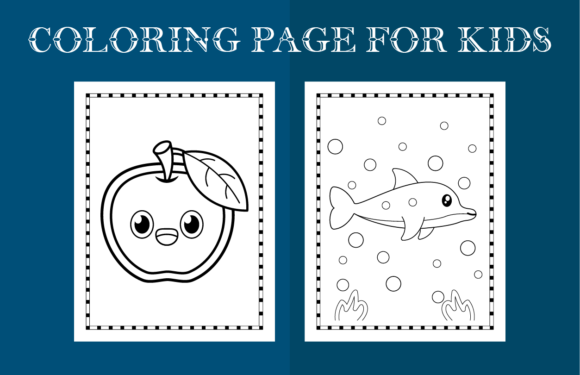
The first thing that stood out about COLORING PAGE for KIDS was its vibrant and playful visual style. Each page features whimsical illustrations that evoke a sense of joy and imagination—perfect for engaging younger audiences or adding a lighthearted touch to projects aimed at families. The designs are clean but not overly simplistic, which makes them feel professional while maintaining an approachable aesthetic.
I found the unique line art particularly appealing. It’s detailed enough to be interesting without becoming overwhelming, which suggests it could work well in both editorial and branding contexts. The lack of bleed in the product description is also worth noting; it ensures that when used in print-on-demand or packaging scenarios, there’s no unwanted ink creeping beyond the intended margins.
Design Applications and Use Cases
COLORING PAGE for KIDS has potential across several creative fields. Here's how it performed in various design scenarios:
- Product Mockups: When placed on a mockup of a branded water bottle or tote bag, the coloring pages added a fun and interactive element that immediately caught attention. It worked especially well for merchandise tied to children's events or educational products.
- Social Media Graphics: On platforms like Instagram and Pinterest, these designs helped elevate the emotional appeal of posts. They were ideal for carousel ads promoting DIY activities or seasonal campaigns targeting parents and educators.
- Editorial Design: Used in a blog post about creative play for kids, the illustrations enhanced the content's visual flow and made the article more engaging. Their adaptability in layout meant they could serve as headers, pull quotes, or decorative elements.
- Canva Templates: The asset seamlessly integrated into Canva templates, where it helped create cohesive printable resources such as party invitations, activity sheets, and classroom materials.
- Cricut Projects: As a Cricut user myself, I appreciated the vector quality of the AI and SVG files. They cut cleanly and scaled perfectly, making them suitable for crafting stickers, wall art, or even layered vinyl projects.
- Printable Wall Art: The 8.5” x 11” size is excellent for creating downloadable art for home decor or gift shops. When paired with a modern sans-serif font, the coloring pages felt polished and ready for resale.
Where COLORING PAGE for KIDS Shines
This asset excels in environments that benefit from bold visuals and thematic storytelling. It works best in:
- Large Layout Areas: Its intricate details come alive when given ample space, making it perfect for posters, flyers, or full-page magazine spreads.
- Hero Graphics: As a featured image on a landing page or product listing, the coloring page illustrations can act as a visual hook that draws users in.
- Themed Collections: Whether you're designing a summer camp campaign or a holiday-themed Etsy shop, this asset contributes to a consistent and imaginative mood.
- Supporting Brand Elements: In a brand identity project for a toy company or educational startup, the coloring pages could complement logos and other supporting graphics by reinforcing a child-friendly tone.
- Print-on-Demand Products: From t-shirt design to mug illustrations, the coloring pages offer a unique angle for customizable items that encourage personalization.
Where Caution Is Advised
While COLORING PAGE for KIDS is versatile, it’s not universally appropriate. Here are some situations where it may require careful handling:
- Small Sizes: At smaller dimensions, the fine lines and subtle details may become less legible. Always test it at actual output sizes before finalizing any print-on-demand or digital storefront application.
- Crowded Layouts: If your design already includes a lot of text or visual elements, adding this illustration might disrupt the visual hierarchy. Consider using it as an accent rather than a dominant feature.
- Professional Corporate Materials: While it’s great for family-oriented brands, it doesn’t align with formal business identities. Avoid using it in reports, presentations, or B2B marketing unless intentionally recontextualized.
- Low-Contrast Designs: Some illustrations have lighter tones that can get lost if placed on busy or low-contrast backgrounds. Always preview against different color schemes to ensure visibility.
Impact on Readability and Brand Consistency
In terms of readability, the coloring pages don’t interfere with text-based content when used appropriately. However, their illustrative nature means they should be treated more as mood-setting elements than primary messaging tools. When combined with clear typography—such as a sans serif or script font—they help maintain a balance between creativity and communication.
For brand consistency, the key is to match the illustration style with the overall visual language of the brand. If the brand leans toward a handmade business or creative marketplace vibe, this asset will likely feel right at home. But for a more corporate or minimalist identity, it may clash unless carefully curated and edited down.
Commercial Use and Licensing
One critical factor for designers working with clients is commercial licensing. Before incorporating COLORING PAGE for KIDS into a project for an Etsy product or print-on-demand platform like Kdp, always confirm the scope of the commercial license. This ensures you’re not violating usage rights, especially if the design is part of a larger design bundle or being sold as part of a product line.
Designer Notes and Best Practices
Here are some practical tips I recommend when working with COLORING PAGE for KIDS:
- Test in Black and White: Since many printed materials may be viewed in grayscale, check how the illustrations hold up without color.
- Check Contrast: Place the design on both light and dark backgrounds to ensure it remains visible and readable.
- Preview at Multiple Sizes: Evaluate how the illustrations look on large posters versus small social media thumbnails.
- Use on Real Mockups: Try placing the asset on actual product mockups to see how it interacts with textures, lighting, and scale.
- Test Print Quality: Print one page to verify the clarity and resolution of the final output, especially for physical coloring books or paper goods.
- Review File Formats: The inclusion of AI and SVG files is a major plus. These allow for easy editing and scaling, which is essential for customizing the illustrations to fit specific design needs.
- Inspect Transparency (if applicable): If PNG files are included, check the transparency settings to ensure they layer correctly over other design elements.
- Font Pairing Test: Experiment with pairing the illustrations with different fonts—serif, sans serif, script, handwritten, and display—to find the most harmonious combination for your project.
Emotional Appeal and Audience Engagement
The strength of COLORING PAGE for KIDS lies in its ability to connect emotionally with its audience. The playful and colorful nature of the illustrations naturally appeals to children and parents alike, making it a strong choice for brand identity work in the education, entertainment, and lifestyle sectors.
When used in marketing visuals, these pages can increase engagement by tapping into nostalgia and creativity. For instance, in a local event poster for a community art day, the coloring pages acted as a visual invitation to participate, enhancing the overall impression and encouraging interaction.
Final Thoughts for Professional Designers
After thorough evaluation, COLORING PAGE for KIDS stands out as a valuable addition to a designer’s toolkit—especially for those working in creative design for family-focused brands. It supports a wide range of commercial design applications and brings a fresh, engaging energy to otherwise flat or static layouts.
That said, its effectiveness depends heavily on context. Make sure to assess how it aligns with your client’s brand personality and the technical requirements of the project. When handled thoughtfully, this asset can enhance visual trust, boost audience engagement, and contribute to a more memorable and cohesive design assets package.
If you’re looking for a graphic design asset that blends functionality with charm, and you need something that works across digital product creation and printable design workflows, then COLORING PAGE for KIDS is definitely worth considering for your next project.